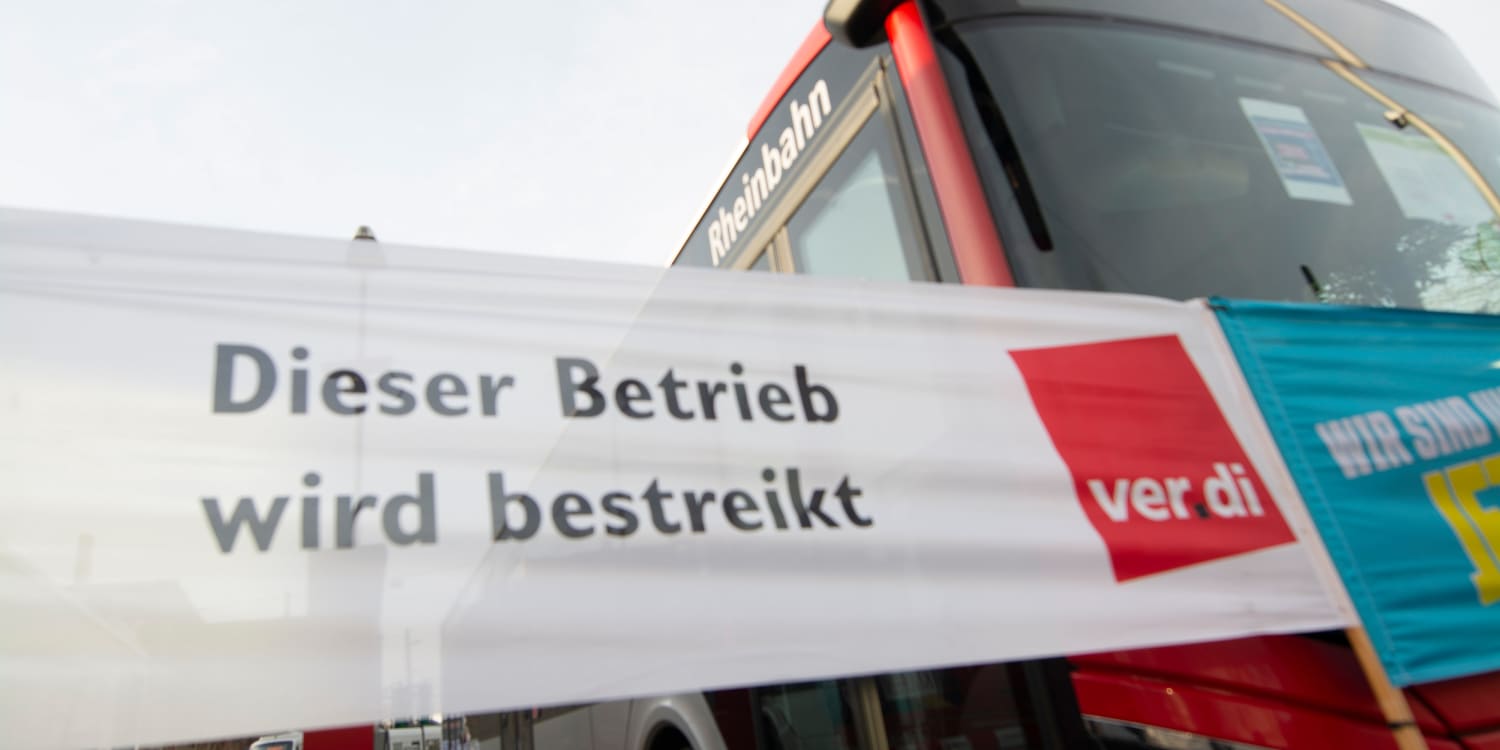
ÖPNV Strikes Hit Bundesliga: Anreise Chaos for Fans
The electrifying atmosphere of a Bundesliga match is a hallmark of German culture, drawing tens of thousands of passionate fans to stadiums across the nation every weekend. However, recent and recurring public transport strikes – known as ÖPNV Streik in Germany – have cast a long shadow over this cherished tradition, creating unprecedented Anreise (travel) chaos for supporters. The widespread disruption to buses, trams, and U-Bahns is forcing clubs and fans alike to scramble for alternative travel solutions, turning what should be a day of sporting excitement into a logistical puzzle.
From the industrial heartland of Gelsenkirchen to the financial hub of Frankfurt, football clubs are issuing urgent warnings and advice, grappling with the challenge of ensuring their loyal fan base can reach the stadiums. This article delves into the specific impacts of these strikes on Bundesliga and 2. Liga matches, examining the innovative strategies clubs are deploying and offering comprehensive tips for fans navigating the disrupted travel landscape.
The Widespread Impact of ÖPNV Strikes on German Football
The current wave of public transport strikes stems from ongoing wage disputes, leading to nationwide stoppages that ripple through daily life, and nowhere is this more acutely felt than on a football matchday. Germany's football culture is deeply intertwined with its efficient public transport system. For decades, clubs have encouraged fans to use ÖPNV for sustainable and stress-free stadium access, often integrating match tickets with free public transport usage within local zones. This symbiotic relationship is now under immense pressure.
When the U-Bahns, trams, and local buses grind to a halt, the sheer volume of fans typically relying on these services poses an immediate and massive challenge. Clubs like Schalke 04, Eintracht Frankfurt, SC Freiburg, and Hertha BSC have all faced the daunting task of managing fan flow when their usual logistical backbone is paralyzed. The problem isn't just getting to the stadium; it's also about managing the increased traffic on alternative routes, ensuring safety, and preserving the matchday experience.
Matthias Tillmann, CEO of Schalke 04, succinctly articulated the dilemma: "It's obviously unfortunate for such a football match. We always encourage people to come by public transport and not by car, because that relieves congestion. It's an enormous logistical problem when no trains are running." This sentiment resonates across the league, as clubs grapple with the paradox of promoting sustainability while having to advise fans to find other, often less eco-friendly, ways to travel.
Navigating Matchday Chaos: Schalke 04 and Gelsenkirchen's Response
For the highly anticipated 2. Liga clash between Schalke 04 and FC St. Pauli, the ÖPNV strike on Friday posed a significant hurdle for fans planning their Anreise to the VELTINS-Arena. Schalke 04 issued a stark warning, preparing fans for "significant restrictions" on both arrival and departure. Recognizing the inevitable difficulties, the club and the city of Gelsenkirchen quickly implemented several mitigation strategies:
- Early Stadium Access: To distribute the flow of fans, Schalke opened the North entrance as early as 15:30, 90 minutes before the standard gate opening at 16:30 for the 18:30 kick-off. This extra time allows fans to arrive gradually, easing pressure on alternative transport and stadium entrances.
- Expanded Parking Solutions: Anticipating insufficient parking at the arena, the city of Gelsenkirchen took the unusual step of designating the right lanes of certain streets near the stadium as temporary parking areas. While helpful, fans should still expect these to fill up quickly.
- Shuttle Buses: The club planned to operate shuttle buses, although their capacity and frequency would be crucial in effectively moving large numbers of people. Fans should expect potential queues for these services.
- Promoting Cycling and Walking: In a bid to leverage local fan bases and reduce road congestion, Schalke strongly encouraged fans to cycle or walk to the stadium. To support this, 1000 additional bicycle stands were provided on the lawn in front of the West entrance, overseen by security personnel. This not only offers a healthy alternative but also significantly reduces individual carbon footprints.
For fans heading to Gelsenkirchen, meticulous planning is non-negotiable. Check the official Schalke 04 website and local public transport provider (VRR) for real-time updates. Consider carpooling with friends or utilizing ride-sharing services, but factor in potential traffic delays. If cycling or walking, plan your route in advance and ensure you have appropriate gear. You can find more targeted advice for this specific situation in our detailed guide: ÖPNV Strike: Essential Anreise Tips for Schalke & Eintracht.
Eintracht Frankfurt's Europa League Challenge Amidst Strike Action
The ÖPNV strike in Frankfurt presented a particularly acute challenge for Eintracht Frankfurt fans. With the U-Bahn and Straßenbahn (tram) services completely halted, the club faced the daunting task of ensuring fans could reach the Deutsche Bank Park for a crucial Europa League match against Ajax Amsterdam. Eintracht termed the situation a "Sondersituation" (special situation), acknowledging the extraordinary circumstances.
Several factors compounded the travel woes in Frankfurt:
- Crucial European Match: The high stakes of a European quarter-final, combined with the presence of international fans unfamiliar with local transport alternatives, heightened the pressure.
- Rush Hour Kick-off: The 18:45 kick-off time plunged fans directly into Frankfurt's notoriously busy evening rush hour, creating a perfect storm of congestion for those attempting to use alternative transport.
- Complete U-Bahn/Tram Stoppage: The total absence of U-Bahn and Straßenbahn services removed two primary modes of transport to the stadium, forcing a complete re-evaluation of travel plans.
In response, Eintracht Frankfurt and the local transport authorities (VGF and RMV) focused on maximizing the capacity of non-striking services:
- S-Bahnen as the Lifeline: The S-Bahn network, which was not affected by the strike, became the primary artery for fan travel. The Rhein-Main-Verkehrsverbund (RMV) strategically deployed more carriages and introduced additional S-Bahn services between Frankfurt Hauptbahnhof (main station) and the stadium.
- Regional Train Stops: To further boost capacity, several regional trains were scheduled to make additional stops at the stadium station.
- Dedicated Bus Lines: Two specific bus lines that service the stadium continued to operate, offering another crucial, albeit limited, alternative.
Despite the severe public transport disruption, Eintracht Frankfurt strongly advised against driving to the stadium due to expected full parking lots and severe post-match traffic jams. Police also anticipated a "significantly increased traffic volume," making any private car journey a gamble. Fans were urged to inform themselves of the latest situation via VGF and RMV channels before departure and to plan a generous time buffer.
Comprehensive Anreise Strategies for All Affected Fans
While the specific details vary by city and club, the underlying principles for navigating an ÖPNV Streik Anreise remain consistent across all affected matches. Here's a comprehensive guide to help you get to the game:
1. Prioritize Information Gathering
- Official Club Websites: Always the first port of call. Clubs provide specific, up-to-the-minute advice tailored to their stadium and local situation.
- Local Transport Providers: Check the websites and social media channels of your city's public transport company (e.g., VGF in Frankfurt, VRR/Ruhrbahn for Schalke) and regional networks (e.g., RMV for Frankfurt). These are crucial for understanding which services are running, adjusted timetables, and alternative routes.
- News and Social Media: Reputable local news outlets and the clubs' official social media accounts often provide real-time updates and fan-generated insights.
2. Explore Alternative Transport Options
With traditional public transport out of action, creativity and flexibility are key:
- Carpooling: Organize with friends, family, or other fans. This not only eases traffic and parking but is also more environmentally friendly than everyone driving solo. Use apps or online forums to find carpooling opportunities.
- Cycling: If you're within a reasonable distance, cycling is an excellent option. Check if the stadium offers additional bike parking (like Schalke's 1000 extra stands). Remember to bring a good lock, lights, and wear appropriate safety gear.
- Walking: For fans living close to the stadium, walking is the simplest solution. Plan your route, allow ample time, and consider the weather.
- Ride-Sharing Services (Taxis/Ride-Hailing Apps): While an option, be prepared for increased demand, longer waiting times, and surge pricing due to the strike. Book well in advance if possible.
- E-scooters and Mopeds: Check local regulations regarding their use and parking. These can be a quick way to cover shorter distances, but safety is paramount.
- Regional Trains (if applicable): As seen in Frankfurt, some regional train services might still be running and could make additional stops near stadiums. Verify this with the Deutsche Bahn (DB) website.
3. General Survival Tips for a Disrupted Matchday
- Allow Generous Time: Whatever your chosen method of travel, add significantly more time to your journey than you normally would. Delays are almost guaranteed.
- Stay Hydrated and Fed: Carry water and snacks, especially if you anticipate long waits or extended travel times.
- Charge Your Devices: A fully charged phone is essential for navigation, checking updates, and staying in touch with friends. A power bank is a smart addition.
- Be Patient and Flexible: Frustration is understandable, but maintaining a calm and adaptable attitude will make the experience less stressful.
- Prioritize Safety: In potentially crowded situations, be aware of your surroundings, especially if walking or cycling on unfamiliar routes.
The recurring nature of these strikes underscores a significant challenge for event organizers and urban planners. For more insights into how these events are reshaping urban mobility and event planning, read our article: Logistical Nightmare: ÖPNV Strikes Reshape Matchday Travel.
Conclusion
The ÖPNV Streik Anreise chaos hitting the Bundesliga and 2. Liga is a test of resilience for German football fans and clubs alike. While the absence of usual public transport options presents a formidable challenge, careful planning, flexibility, and a willingness to explore alternative travel methods can ensure fans still make it to the stadium to support their teams. By staying informed, utilizing all available resources, and allowing ample time, the passion for the beautiful game can ultimately overcome the logistical hurdles posed by industrial action. These strikes highlight not only the importance of public transport to mass events but also the ingenuity required to adapt in challenging times, ensuring the matchday experience continues, albeit with a few more bumps along the road.