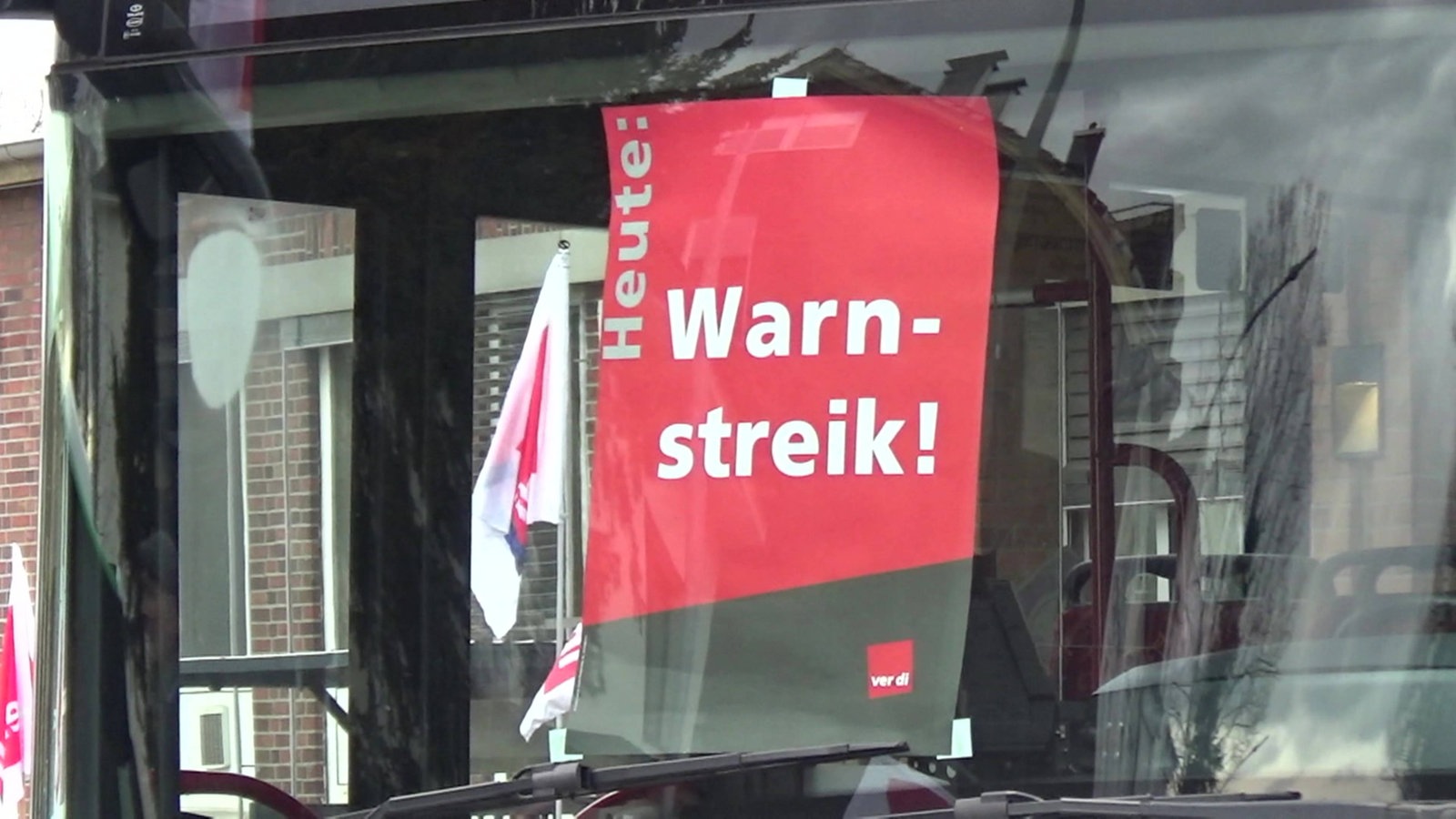
Logistical Nightmare: ÖPNV Strikes Reshape Matchday Travel
The roar of the crowd, the anticipation before kick-off, the collective tension and elation – these are the hallmarks of a German football matchday. For millions of fans, the journey to the stadium is an integral part of the experience, often relying on Germany's efficient public transport network (ÖPNV). However, recent ÖPNV strikes have plunged this ritual into a "logistical nightmare," forcing clubs, cities, and most importantly, fans, to rethink their entire
öpnv streik anreise strategies. This disruption isn't just an inconvenience; it's a significant challenge that tests the patience and ingenuity of the entire football ecosystem.
The Logistical Labyrinth: Why ÖPNV Strikes Cripple Matchday Travel
When public transport grinds to a halt, the sheer scale of the challenge becomes apparent. Football stadiums, designed to accommodate tens of thousands, rely heavily on a seamless flow of fans via U-Bahns, trams, and buses. Without these arteries, the system chokes. Schalke 04's home game against FC St. Pauli, and Eintracht Frankfurt's crucial Europa League clash against Ajax Amsterdam, became stark examples of this crisis.
For Schalke 04, chairman Matthias Tillmann articulated the predicament clearly: "It is an enormous logistical problem when no trains are running." The club typically encourages fans to use public transport to ease road congestion. With Friday's warning strikes, however, this advice became moot. Significant restrictions on arrival and departure were anticipated, threatening to disrupt the festive atmosphere even before kick-off.
In Frankfurt, the situation was compounded by an early kick-off (18:45) coinciding directly with the city's peak rush hour. With all U-Bahns and trams cancelled, the pressure shifted massively onto the S-Bahn network, which, while not directly affected by the strike, was expected to be "correspondingly full," as warned by the Verkehrsgesellschaft Frankfurt (VGF). This created a unique "Sondersituation," as Eintracht Frankfurt dubbed it, where even unaffected transport options became overwhelmed. The police anticipated a "higher traffic volume," but the unpredictable nature of congestion meant fans faced an anxious journey, unsure of where bottlenecks would form.
Beyond the specific games, Bundesliga fixtures like SC Freiburg vs. Bayern Munich and 2. Liga clashes such as Hertha BSC vs. Holstein Kiel also felt the tremors. The common thread was a direct assault on the traditional
öpnv streik anreise, forcing a scramble for alternatives and demanding unprecedented levels of planning and patience from supporters.
Clubs and Cities Respond: A Patchwork of Solutions
Faced with this unprecedented challenge, clubs and municipal authorities sprang into action, implementing a range of measures to mitigate the impact of the strikes. These solutions, while helpful, often felt like a patchwork, trying to cover gaping holes in the usual transport fabric.
Schalke 04, for instance, appealed for patience and proactive planning. To alleviate congestion and allow for staggered arrivals, they opened the North entrance of the Veltins-Arena as early as 15:30, a full three hours before kick-off, with other gates opening two hours prior. Recognizing the inevitable parking shortages, the city of Gelsenkirchen took the extraordinary step of freeing up right-hand lanes on selected roads near the stadium to serve as makeshift parking spaces. Shuttle buses were also arranged, offering a limited lifeline.
A significant push was made for active travel: fans were strongly encouraged to cycle or walk to the stadium. To support this, a remarkable 1,000 additional bicycle stands were installed on the grass area outside the West entrance, complete with security provided by the Ordnungsamt (public order office). This initiative not only offered a practical solution but also subtly promoted more sustainable transport methods, a silver lining amidst the chaos.
Eintracht Frankfurt's response focused on leveraging unaffected transport and supplementing existing services. While trams were out, the Rhein-Main-Verkehrsverbund (RMV) increased S-Bahn capacity by adding more carriages and running additional S-Bahns specifically between Frankfurt Hauptbahnhof and the stadium. Crucially, some regional trains also made extra stops at the stadium halt, offering a broader reach for fans coming from further afield. Additionally, two dedicated bus lines serving the stadium were available, providing further options for those navigating the disruption. Despite these efforts, the club still advised *against* private car use, warning of rapidly filling car parks and post-match gridlock. The overarching message from both clubs was clear:
prepare for delays and consider every alternative. For a deeper dive into how these strikes ripple across German football, especially impacting top-tier matches, read our article on
ÖPNV Strikes Hit Bundesliga: Anreise Chaos for Fans.
Navigating the Chaos: Essential Tips for Fans
For fans caught in the crosshairs of an
öpnv streik anreise, meticulous planning and adaptability are paramount. Simply hoping for the best is a recipe for missed kick-offs and frayed nerves. Here are essential tips to navigate such a challenging matchday:
*
Check Real-Time Updates Relentlessly: Do not rely on old information. Clubs, local transport authorities (like VGF or RMV), and official city channels provide the most up-to-date information on service cancellations, alternative routes, and special arrangements. Check right before you leave and even en route.
*
Embrace Alternative Transport:
*
Carpooling (Mitfahrgelegenheit): Coordinate with friends, family, or even fellow fan groups. This not only reduces traffic but also offers a more social and potentially cheaper journey.
*
Ride-Sharing Apps/Taxis: While potentially more expensive due to surge pricing, these can be viable options, especially if you share the cost. Book well in advance if possible.
*
E-Scooters/Bikes: For shorter distances, e-scooters or personal bicycles can be excellent, fast alternatives. Check for designated parking areas and ensure safety.
*
Cycle or Walk: If you live within a reasonable distance, this is often the most reliable and stress-free option. As seen with Schalke’s 1,000 extra bike stands, clubs are actively encouraging this. Enjoy the pre-match atmosphere on foot!
*
Leave Exceptionally Early: This cannot be stressed enough. Whatever your planned method of transport, add a significant time buffer – at least an extra hour, if not more. Traffic can be unpredictable, and alternative routes may also become congested.
*
Parking Strategies: If driving is unavoidable, research park-and-ride options further away from the stadium. Consider parking in a neighbouring district with available public transport (if S-Bahns are running) or a reasonable walking distance, and complete the journey on foot or with a short taxi ride. Avoid direct stadium parking unless specifically advised and guaranteed.
*
Pack Essentials: Water, snacks, a portable phone charger, and comfortable shoes are vital for any journey that might involve unexpected delays or extended walking.
*
Maintain Patience and Flexibility: Things will likely go wrong. Delays, crowds, and unexpected detours are part of the deal. Keep a positive attitude, be polite to fellow fans and staff, and be ready to adapt your plan on the fly. To get specific, actionable advice tailored for these high-stakes encounters, consult our
ÖPNV Strike: Essential Anreise Tips for Schalke & Eintracht.
Beyond the Pitch: The Wider Ramifications
The impact of ÖPNV strikes on matchday travel extends far beyond the immediate inconvenience for fans. They highlight broader societal and economic challenges. Local businesses around stadiums, from food stalls to merchandise shops, can see reduced footfall and revenue if attendance drops or fans arrive late and stressed. The vibrant pre-match atmosphere, a cherished part of German football culture, can be diminished by the logistical scramble.
Furthermore, these strikes force a conversation about urban planning and sustainable transport. While clubs advocate for public transport to reduce environmental impact, strikes inadvertently push more people towards private vehicles, leading to increased emissions and further road congestion. This creates a paradox where efforts towards sustainability are undermined by industrial action. The recurring nature of these strikes in Germany underscores the ongoing tension between workers' rights and the public's need for reliable services, casting a long shadow over major events like football matches.
Conclusion
ÖPNV strikes have fundamentally altered the landscape of matchday travel in Germany, transforming what should be a straightforward journey into a test of endurance and planning. While clubs and cities valiantly attempt to mitigate the chaos with various temporary solutions, the core issue remains: a significant logistical hurdle for thousands of passionate fans. The ultimate responsibility falls on individual supporters to stay informed, plan meticulously, and embrace flexibility and alternative transport methods. As these strikes become a more frequent feature of the public transport landscape, the ability to navigate an
öpnv streik anreise will become an increasingly vital skill for every German football enthusiast, ensuring that despite the logistical nightmares, the passion for the beautiful game continues to thrive.